In the past, job seekers introduced themselves through a cover letter. This approach was effective for many years. But the workplace is rapidly evolving. Every day, technology advances. Because of this change, video introductions are becoming more popular.
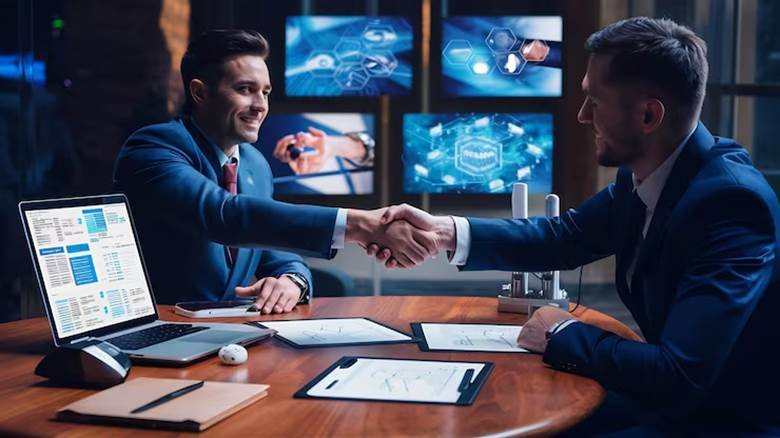
Video introductions are often called “digital handshakes.” Just like a real handshake, they create a first impression. They allow employers to see and hear a candidate before meeting them in person. This article explains why video introductions are replacing traditional cover letters and why they are becoming the future of hiring.
What Is an Introduction to a Video?
A brief video created by a job applicant is called a video introduction. The contestant discusses themselves in this video. They talk about their skills, experience and interest in the job. Most videos are short and last only one to three minutes. Repetition of the resume is not the aim. The objective is to demonstrate personality, self-assurance and communication abilities. It’s an opportunity to talk to the employer personally.
The Facts That Cover Letters Have Become Less Important
Although cover letters are still used, many employers no longer give them careful consideration. This is due to a number of factors. First, hundreds of applications are sent to recruiters. It takes too long to read lengthy letters. A lot of cover letters have the same appearance.
Both colloquial phrases and formal words are used. Second, personality is not displayed in cover letters. They simply demonstrate their writing abilities. Body language, tone, and confidence are all invisible to an employer. Third, a lot of applicants steal cover letters from the internet. They become fake and intimate as a result. Employers are searching for better solutions as a result of these issues.
The Growth of Electronic Handshakes
Typically the initial interaction between two people is a handshake. Video introductions have the same function in the digital realm. They facilitate early connections between employers and candidates. An introduction in a video seems more relatable. It displays a real voice and a real face. This fosters curiosity and trust. They are referred to as digital handshakes for this reason.
The Benefits of Video Introductions for Employers
Reduces Time a brief movie can be viewed by recruiters. A candidate’s suitability can be determined in a matter of minutes. Compared to reading lengthy letters, this saves time. Demonstrates Communication Abilities Speaking and cooperation are necessary in many vocations. A video demonstrates a person’s communication skills. It also demonstrates clarity and assurance.
Illustrates Character Companies need to know how a candidate will fit into their group. A video illustrates invitingness, excitement and state of mind. These things are not unmistakable in a cover letter. Making a Capable To begin with Impression To begin with impressions are truly critical. A clear voice and a kind grin can have a noteworthy affect. A video enhances the candidate’s recall value.
The Benefits of Video Introductions for Job Seekers
Greater Individuality writing might be challenging for some people. Speaking allows them to express themselves more effectively. They can be organic thanks to video introductions. A Chance to Make a Statement. A lot of applicants still merely send their resumes. A candidate can differentiate themselves from the competition by using a video. It demonstrates inventiveness and effort. Increases Self-Belief. Candidates can practice speaking by making a video. It boosts self-assurance for next interviews. Opportunity for All
. People from all backgrounds can benefit from video introductions. Language style, culture, and accent become apparent and acceptable. This encourages hiring diversity.
The Part Technology Plays
This shift is largely due to technology. Both laptop and smartphone feature high quality cameras. The speed of the internet has increased. These days, a lot of employment platforms allow you to upload videos. In place of cover letters, some employers even request video introductions. Videos may be swiftly sorted with the aid of artificial intelligence. Video Overviews of the Culture of Remote Work. Globally more people are working remotely
. Teams are now dispersed throughout several nations. Video communication is becoming commonplace. In person meetings are uncommon in distant work. Employers feel more connected at an early stage because of video introductions. They work effectively in virtual meetings and online interviews.
The Benefits of Video Introductions for Better Hiring
Bad hiring decisions can be decreased with the use of video introductions. Honesty and zeal are visible to employers. Better matching between employers and employees results from this.
Higher productivity and job satisfaction are correlated with better matches. Easy Ways to Make a Strong Video Introduction
1. Make the video concise and understandable.
2. Talk boldly and slowly.
3. Hold your eye on the camera and smile warmly. Choose a clean serene background. Wear professional business attire and stay authentic. Select a serene and tidy background.
4. Wear business clothes. An accurate statement is usually preferable to a lengthy one.
Problems with Introductions in Videos
Video introductions have drawbacks despite their many advantages. On camera, some people experience anxiety. Some people are concerned about their accent or appearance. In some places, internet connection may also be an issue. But with practice, these difficulties can be lessened. Employers are growing more tolerant and understanding.
Applications for Jobs in the Future
Digital recruiting is the way of the future. The use of paper documents is gradually declining. Online, audio and video tests are growing in popularity. Cover letters might not entirely vanish. However, they will continue to play a smaller role. Applications will increasingly include video introductions.
In conclusion
The way individuals apply for jobs is evolving thanks to video introductions. In the contemporary world, they serve as virtual handshakes. Compared to cover letters, they are quicker, more intimate, and more human. They save time and exhibit personality which appeal to employers. They make them stand out, which is why job seekers enjoy them. Video introductions will become commonplace as technology advances. They are more than a passing fad. In the workplace, they are the way of the future for first impressions.