
Technical proficiency used to be the most crucial component of any technology employment. You were valued if you could utilize software, code, repair machines, or handle data. Employers mostly sought candidates with solid hard skills. Hard talents are those that are simple to teach, quantify, and assess using tasks or tests. However, the modern workplace is quickly changing.
There is technology everywhere. These days, a lot of people possess comparable technical expertise. Companies are searching for something more as a result. They are looking for employees who understand people as well as technology. “Soft tech” talents are useful in this situation. Soft abilities utilized in technical tasks are known as soft tech skills.
These skills include problem-solving, empathy, communication, teamwork, emotional intelligence and flexibility. Emotional intelligence has appear as one of the most crucial abilities. Emotional intelligence is now required. It is now necessary from a technical viewpoint.
Describe soft tech skills
Technical labor and soft abilities are combined to create soft tech talents. Social and personal skills are examples of soft talents. They facilitate effective teamwork. Listening, communicating effectively, controlling emotions and comprehending feelings are a few examples. These abilities become soft tech skills when they are applied to technology-related employment.
Soft tech abilities are used, for instance, by a software developer who can effectively explain code to non technical individuals. Soft tech skills are also used by a data analyst who is aware of the wants and feelings of their clients. Soft tech abilities aid in bridging the human machine divide. Despite its intelligence people still operate utilize and rely on technology.
Recognizing Emotional Intelligence
The capacity to follow and control emotions is known as emotional intelligence or EQ. Both your own and other viewpoints belong in this category. There are five primary components to emotional intelligence:
1. Self-knowledge
2. Self-discipline
3. Inspiration
4. Compassion
5. Social abilities
Being self aware entails being conscious of your emotions. Managing them is a sign of self control. Motivation keep you concentrated. Understanding people is aided by empathy. Strong partnerships are facilitated by social skills. Emotional intelligence was formerly mostly associated with positions in customer service or leadership. However, it is now crucial in practically every industry, including technology.
The value of Emotional Intelligence in Technology
Jobs in technology are no longer separate. Programmers used to be able to work alone for hours. Teams are involved in the majority of tech projects nowadays. These groups are frequently international. Individuals from various time zones, ethnicities and backgrounds collaborate.
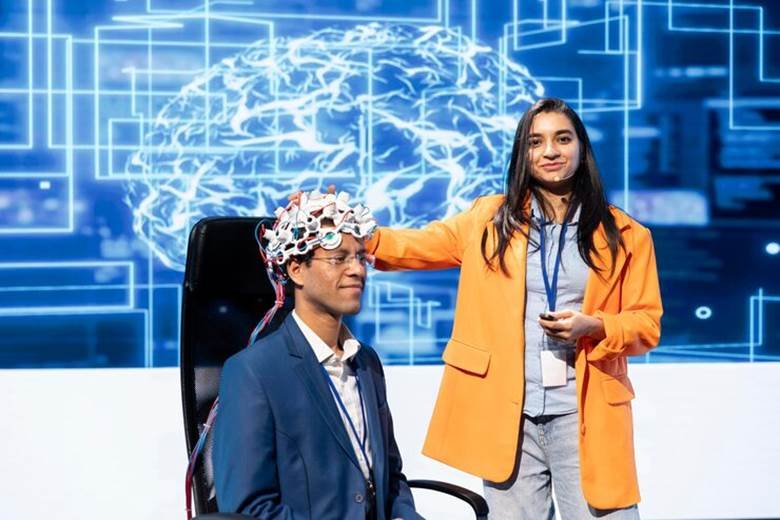
People with emotional intelligence collaborate more effectively. It facilitates clear communication, stress management and conflict resolution. Even the most skilled technical expert can fight if they lack emotional intelligence. A coder, for instance, can be extremely talented yet incapable of taking criticism. A project may be slowed down by this. Another employee might excel at data but struggle with teamwork. Tension in the workplace may result from this. These issues can be avoided using emotional intelligence.
The Function of AI and Automation
The labor market is evolving due to automation and artificial intelligence. Nowadays, machines can do a wide range of technological activities. Data analysis, testing and coding may frequently be automated. However, human emotions cannot be replaced by technology. They are unable to develop trust experience empathy or fully comprehend context like humans do.
For this reason emotional intelligence is becoming increasingly important. Humans must focus on what machines cannot do as they take over repetitive activities. Human strengths include emotional intelligence, creativity, leadership and moral reasoning. The most successful people in the future will be those who get together technical proficiency with emotional intelligence.
Communication Has Become a Technical Skill
Effective communication is no longer merely a nice to have ability. In technological positions, it is currently indispensable. Engineers have to simplify complicated concepts. Designers need to comprehend what users are saying. When there are issues IT specialists must gently assist clients. Communication is build up by emotional intelligence. It motivate attentive listening and thoughtful responses. It assists them in selecting appropriate language and tone. Time is saved by clear communication. It lessens errors. It increases client and team trust.
Teamwork and Emotional Intelligence
The majority of technical work is completed in groups. Developers, designers, managers and clients make up teams. Everybody has various objectives and feelings. Teams function more effectively when members possess emotional intelligence.
It motivate respect for differing viewpoints and collaborative problem solving. Additionally, it aids leaders in inspiring their groups. Members of a team do well when they feel understood. Projects move more fast when disagreement are set on amicably. Strong emotional intelligence makes a team happier and more productive.
In the Tech World Leadership
Leaders in the today’s technology industry require more than just skills in technology. They have to lead people not just projects. Team tension can be understood by a leader who possesses emotional intelligence. They are able to assist employees at trying circumstances. They are able to provide criticism without offending anyone.
Positive work environments are produced by such leaders. Workers feel driven, safe and appreciated. Better outcomes and reduced staff turnover follow from this. Employers now reward leaders with empathy rather than simply skill.
The Client Experience and Emotional Intelligence
Working with user or clients is a common part of many tech careers. This covers software development product design and customer service. Success needs an understanding of user emotions. A user could have worry, confusion or frustration. Professionals that possess emotional intelligence are better able to react politely and calmly.

A support representative who comprehends a customer’s displeasure, for instance can resolve the issue more successfully. Better goods can be produced by a designer who is aware of the problems that users face. Human issues should be resolved by technology. It is made possible by emotional intelligence.
conclusion
Soft tech abilities are becoming more and more popular this is not a fad. It is essential. These days emotional intelligence is a technical necessity rather than an optional ability. Technical expertise is insufficient in today’s reality. Additionally people need to be able to communicate effectively, comprehend emotions and collaborate with others. Teams leaders and businesses all benefit from emotional intelligence. It keeps people valued in a machine-dominated world. Those who successfully join technology and humanity will accept the future.